Case study
Tessara
A hand-drawn pattern brand, and the automated pipeline I built to put it on real products.
The short version. I draw repeating patterns by hand, and I wanted to sell them on real products. I designed the brand and storefront, then built an automated pipeline that takes a pattern from a file on my hard drive to a live, print-on-demand product. It went from first mockup to live store in about six weeks, and it taught me a lesson about what to build first.
Where it started
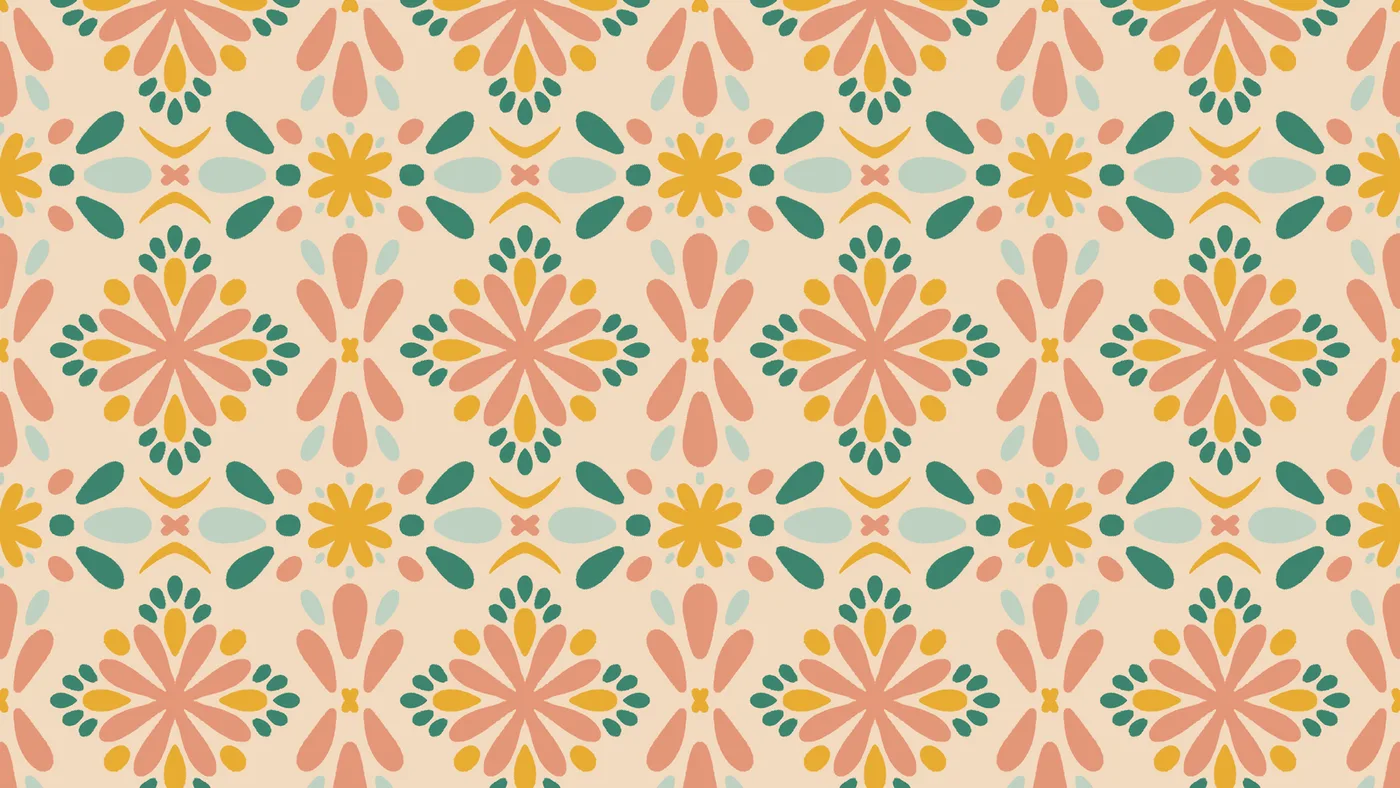
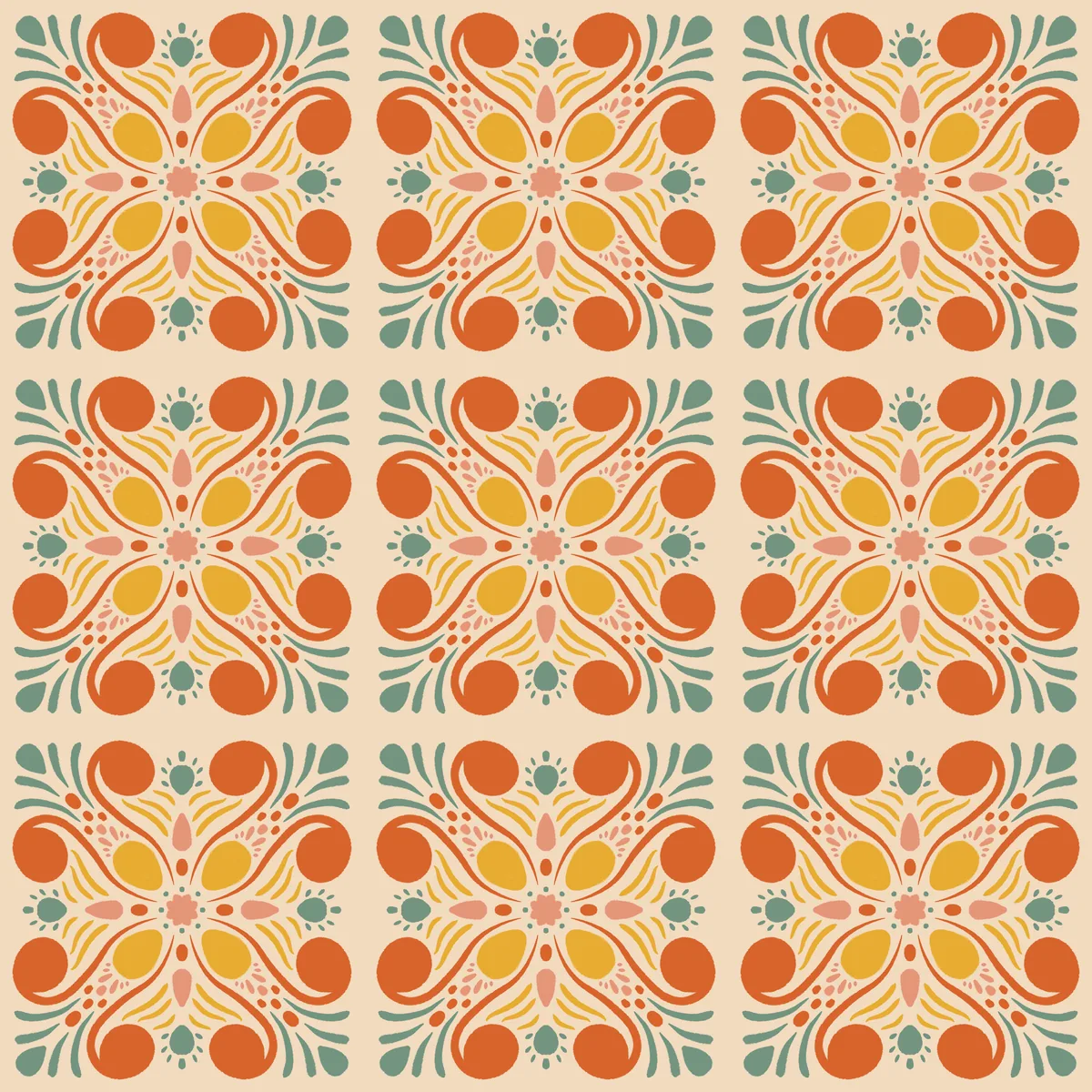
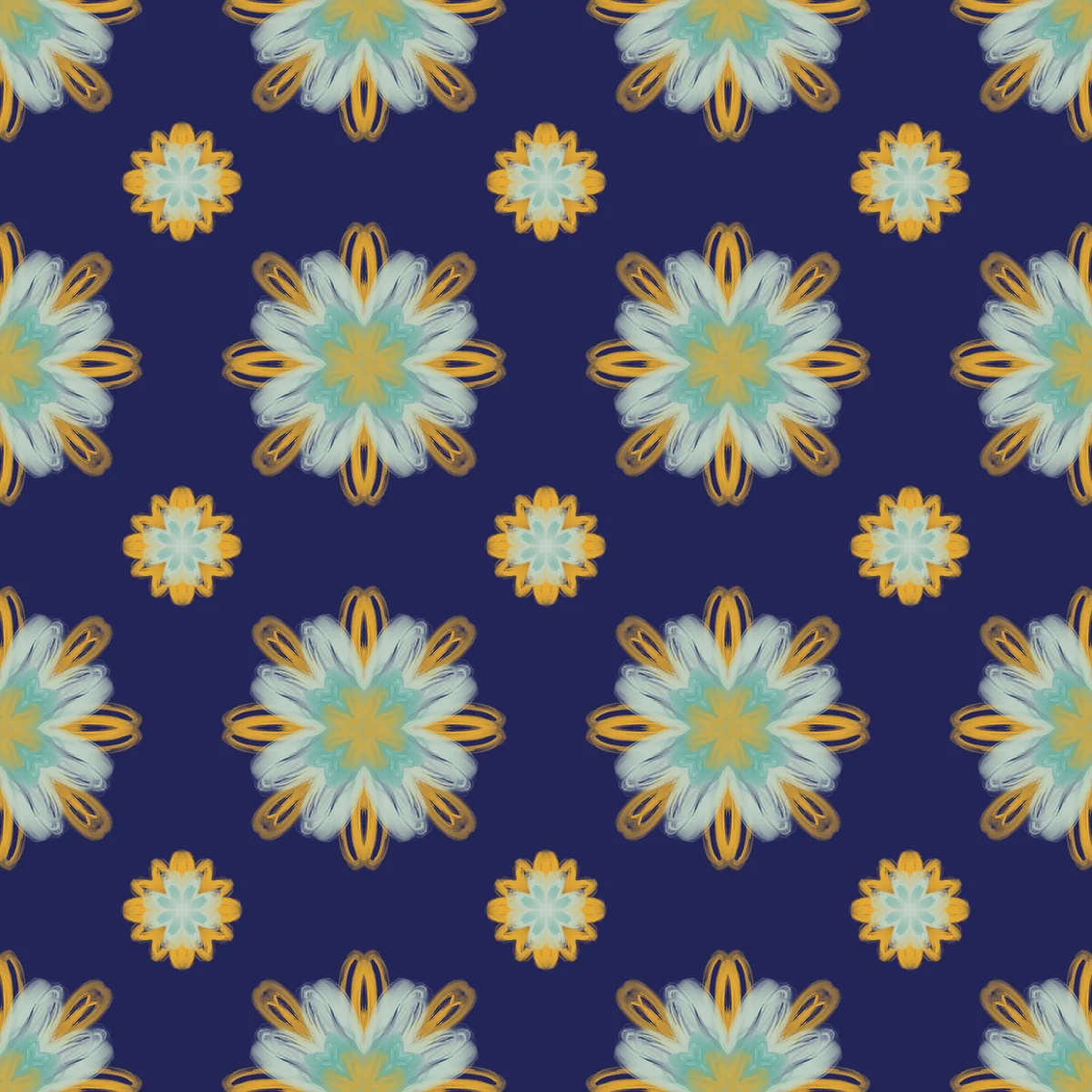
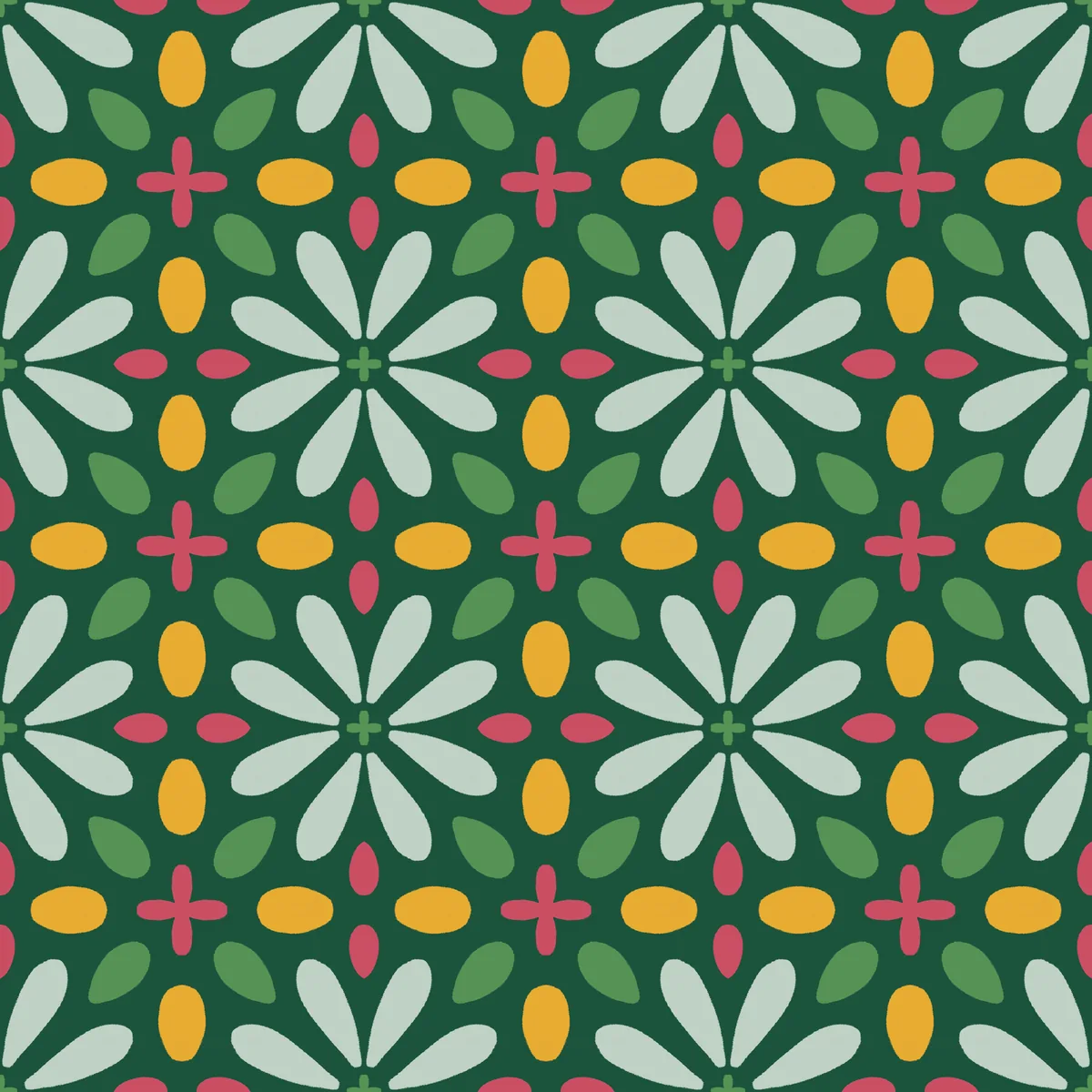
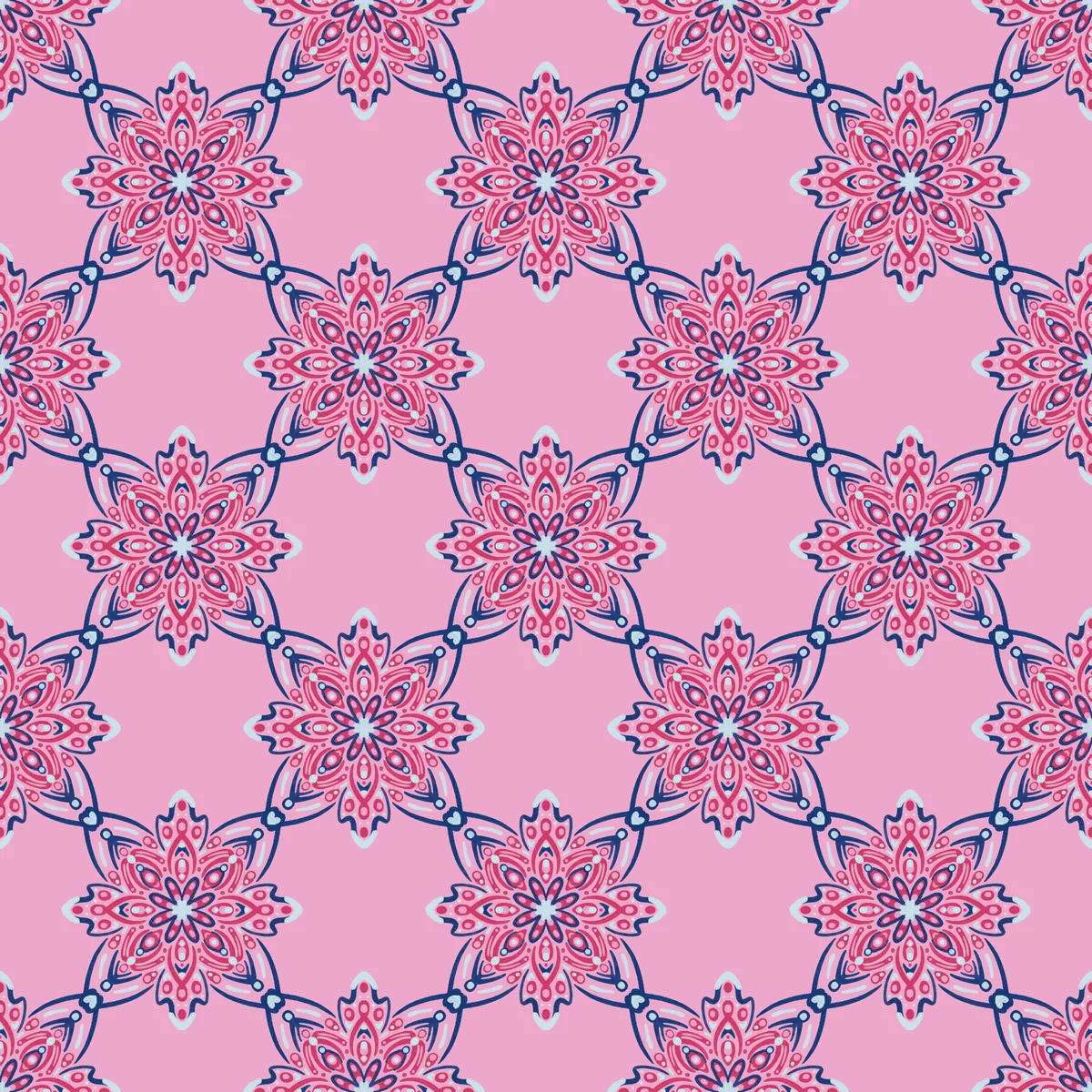
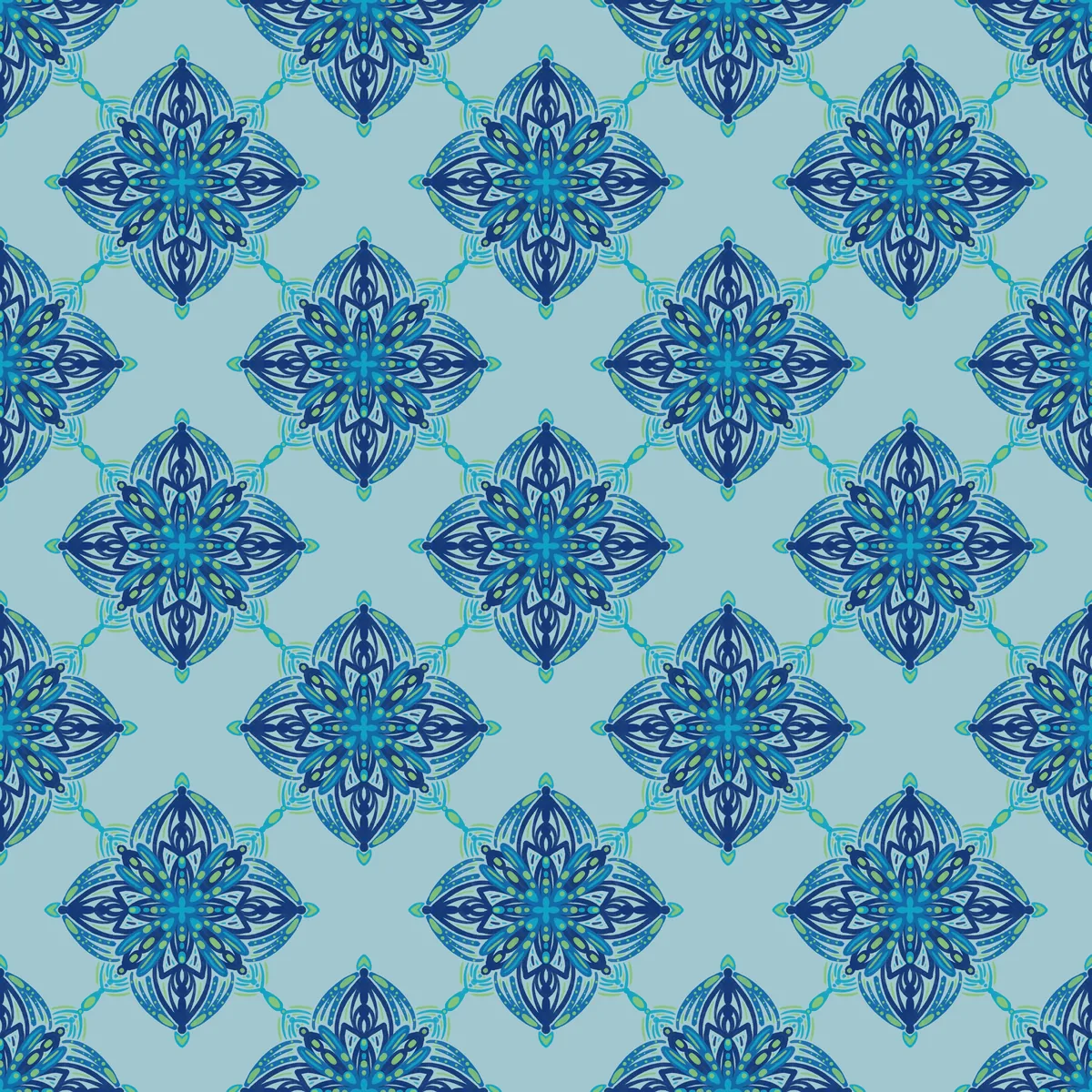
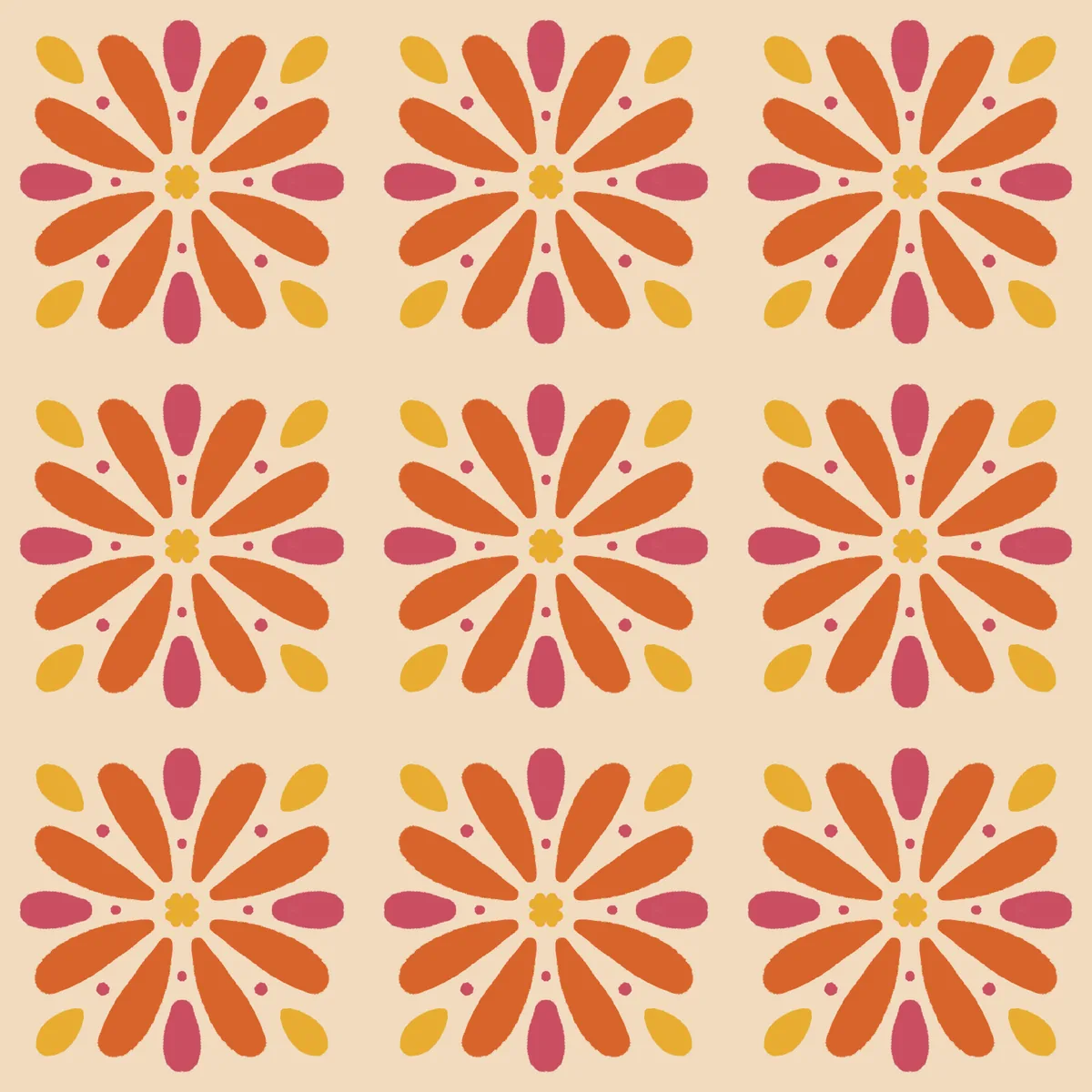
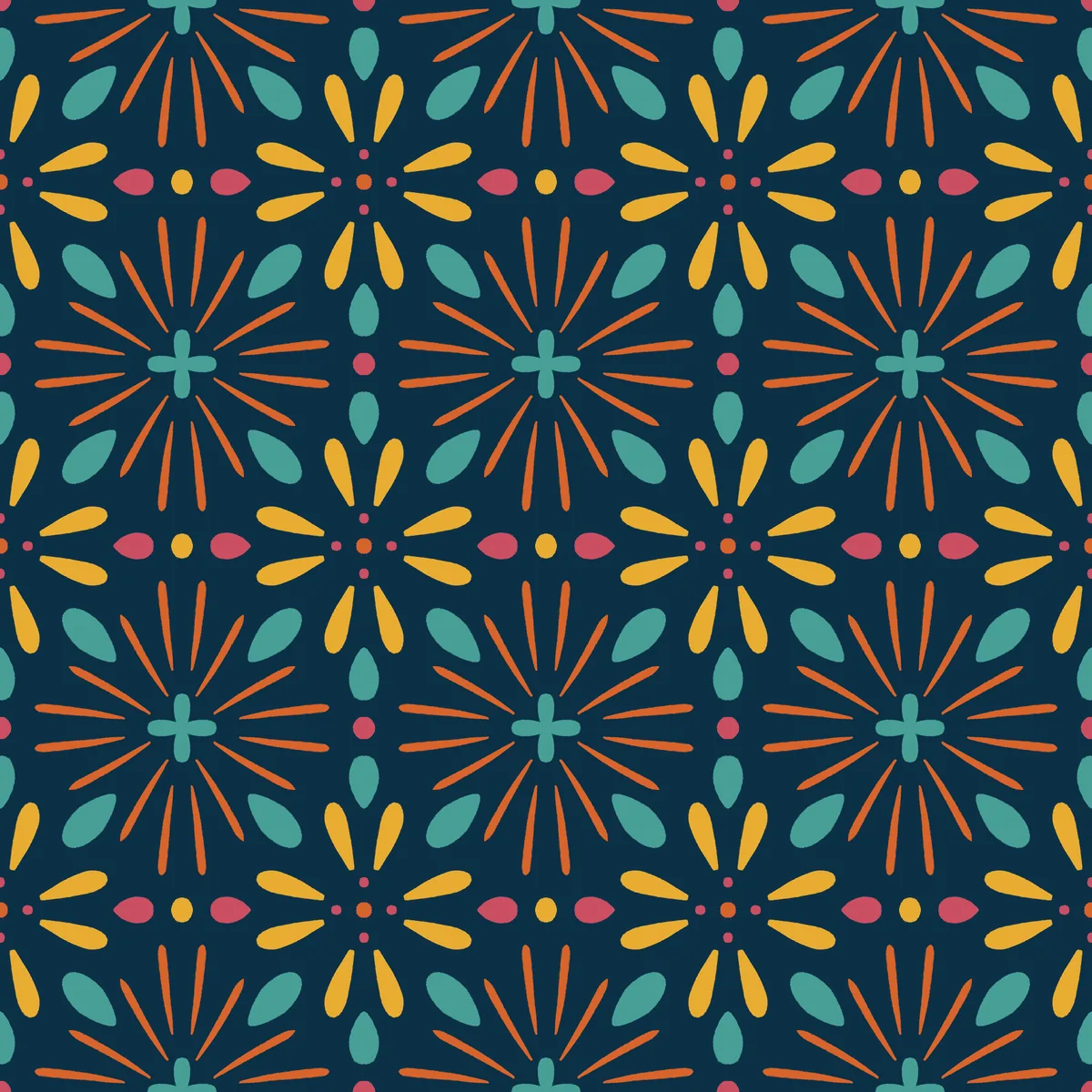
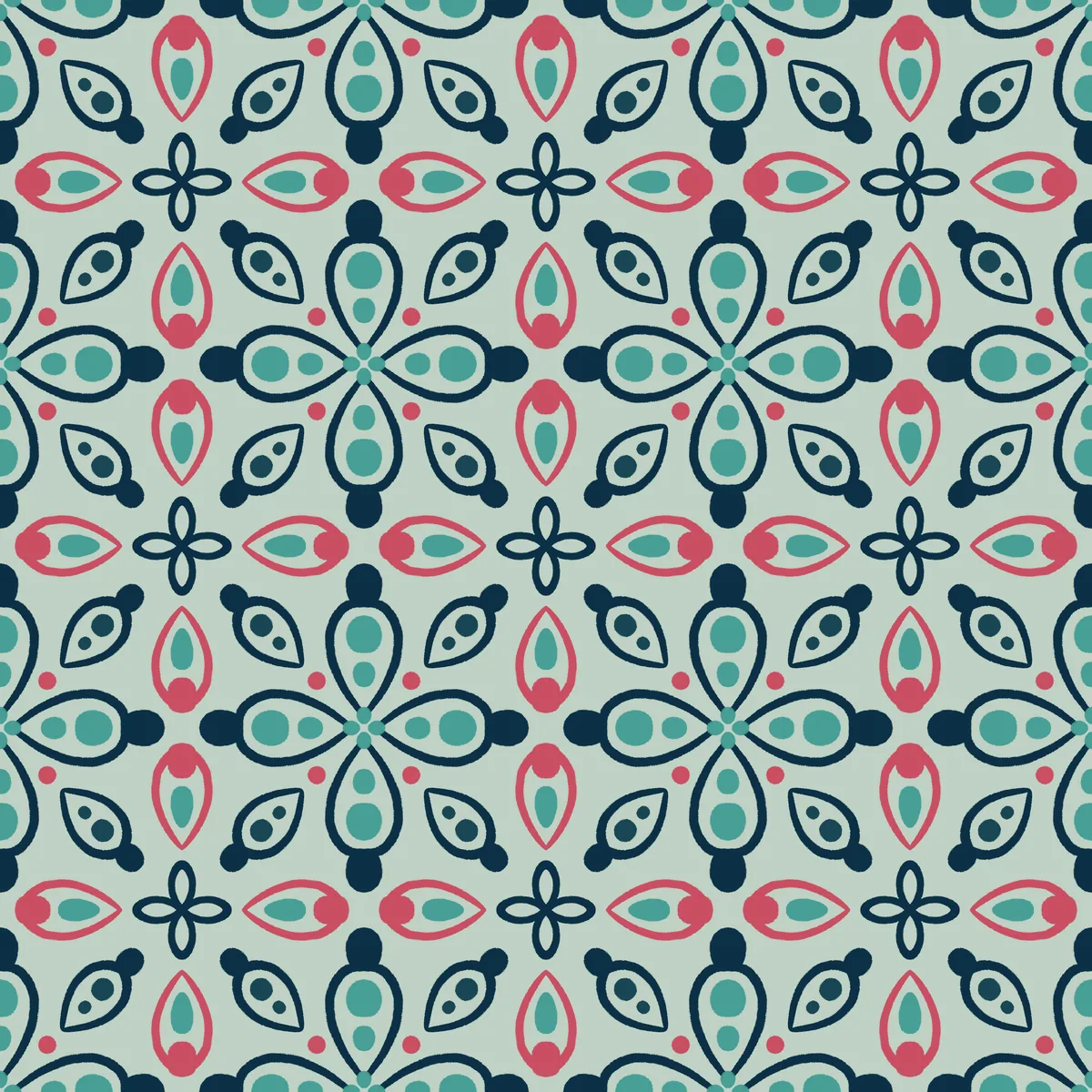
I'm a product designer by day, and I started drawing patterns on an iPad on planes to calm a busy mind. Most of them come from nature and turn into tessellations and mosaics, which is where the name comes from.
Eventually I had hundreds of patterns in folders and no path from a file to something a customer could buy.
The problem
Getting one pattern live means generating product mockups for every product type, creating the products with the right variants, syncing them to the printer, writing descriptions, and building collections, filters and navigation. Then an order placed at 2am has to reach the printer without me touching it.
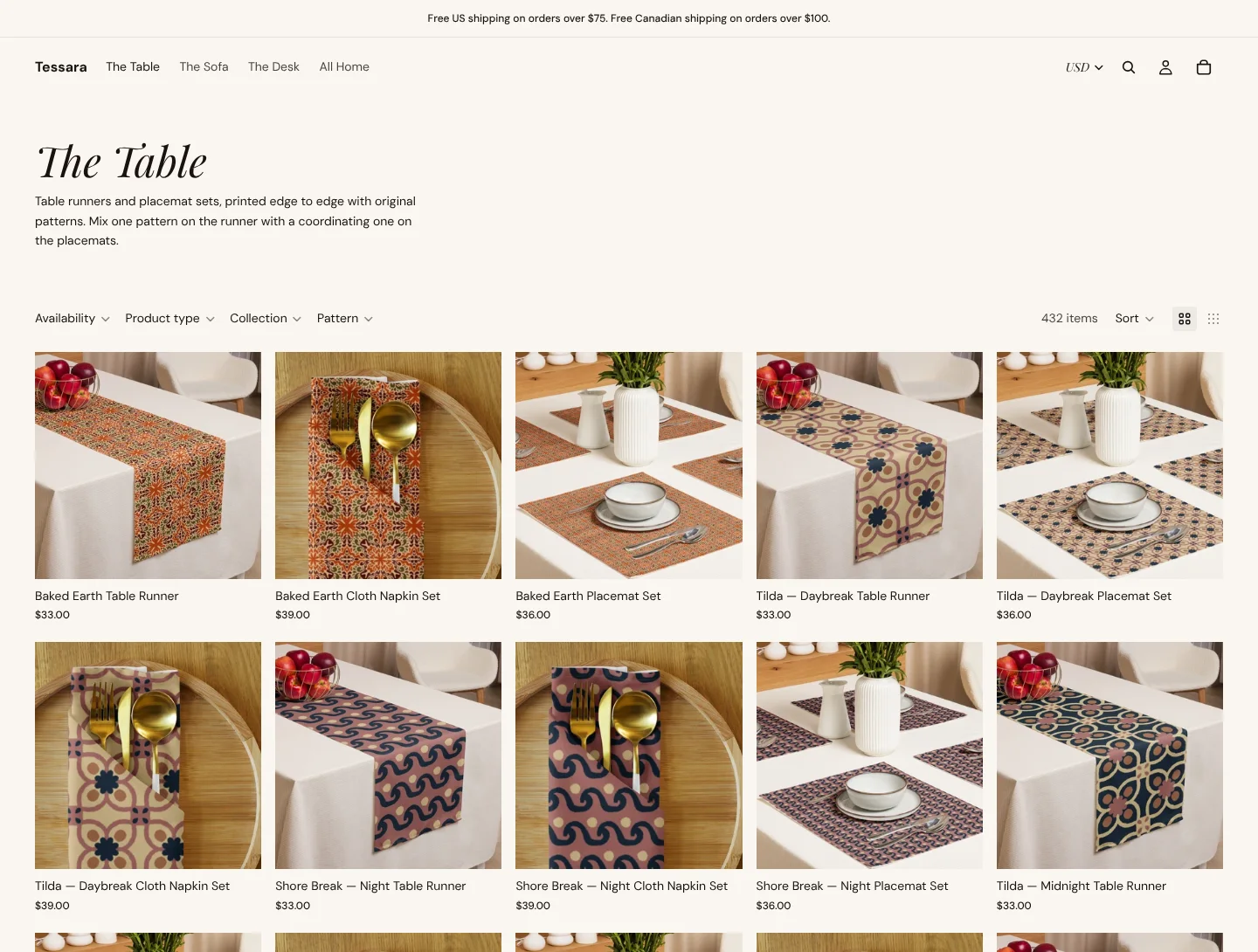
For one product that's a few hours. For 193 products across several product types, doing it by hand wasn't an option.
Key decisions
- Mockup first, always. I designed the whole store as quick HTML mockups before building anything in Shopify: more than 20 versions across the homepage, collections, product pages, menus and filters. Nothing got built until it was approved as a mockup, which kept changes cheap.
- Automate the boring path. A set of scripts runs the ten-step journey from pattern file to live product, and an order bridge sends each sale to the printer automatically.
- A preview gate. The first time the pipeline runs on a new product type, it makes one mockup and pauses so I can check the pattern scale. That caught a scale error before it was repeated across 193 products.
- Automated checks on every release. A 42-point test covers the cart, product pages, navigation, filters, copy and accessibility each time the store changes.
- Write decisions down. I built the store with several AI coding sessions running at once. Each feature has a short doc with its decisions logged, because a decision that isn't written down gets argued again in the next session.
The patterns
The store
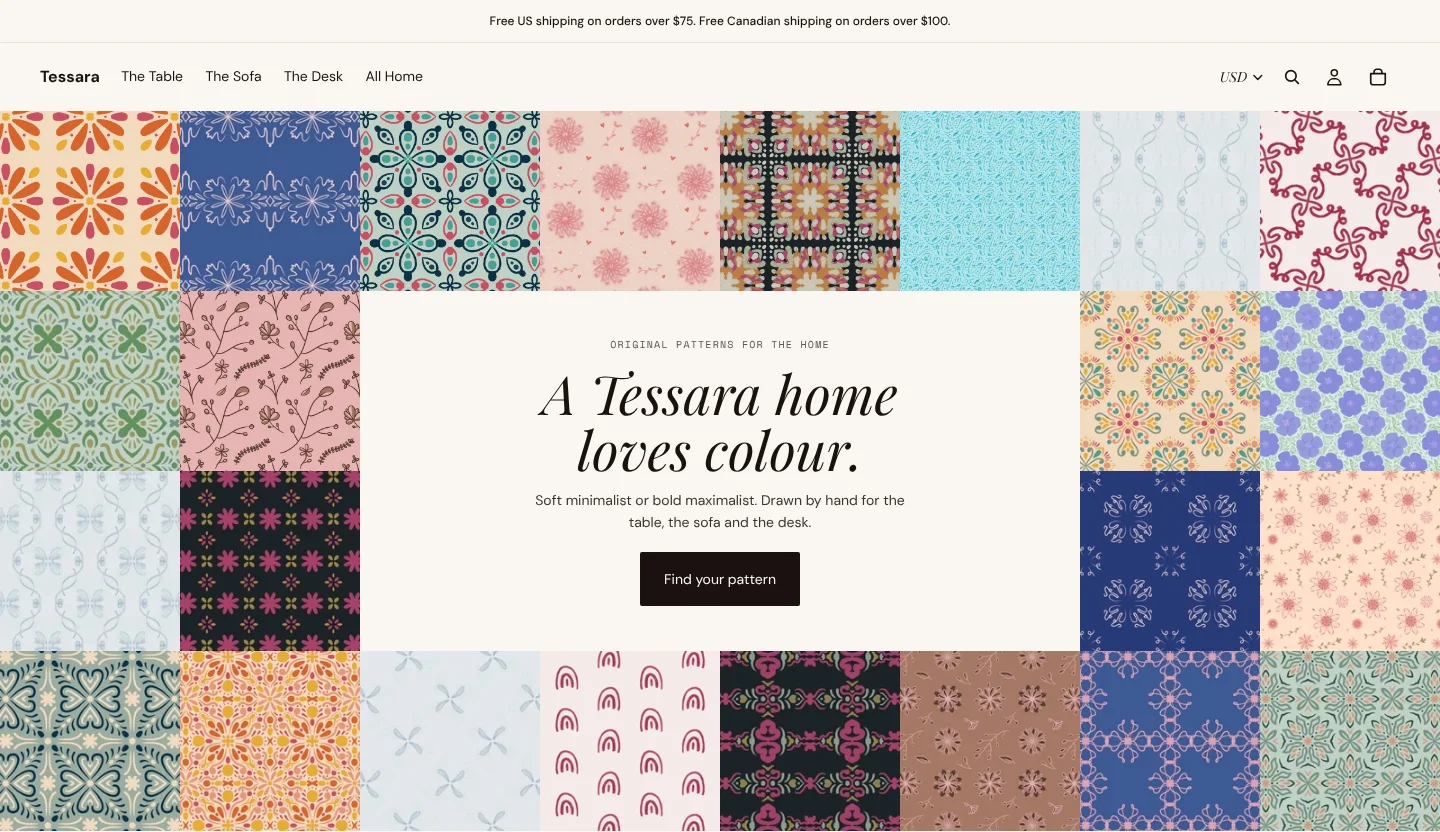
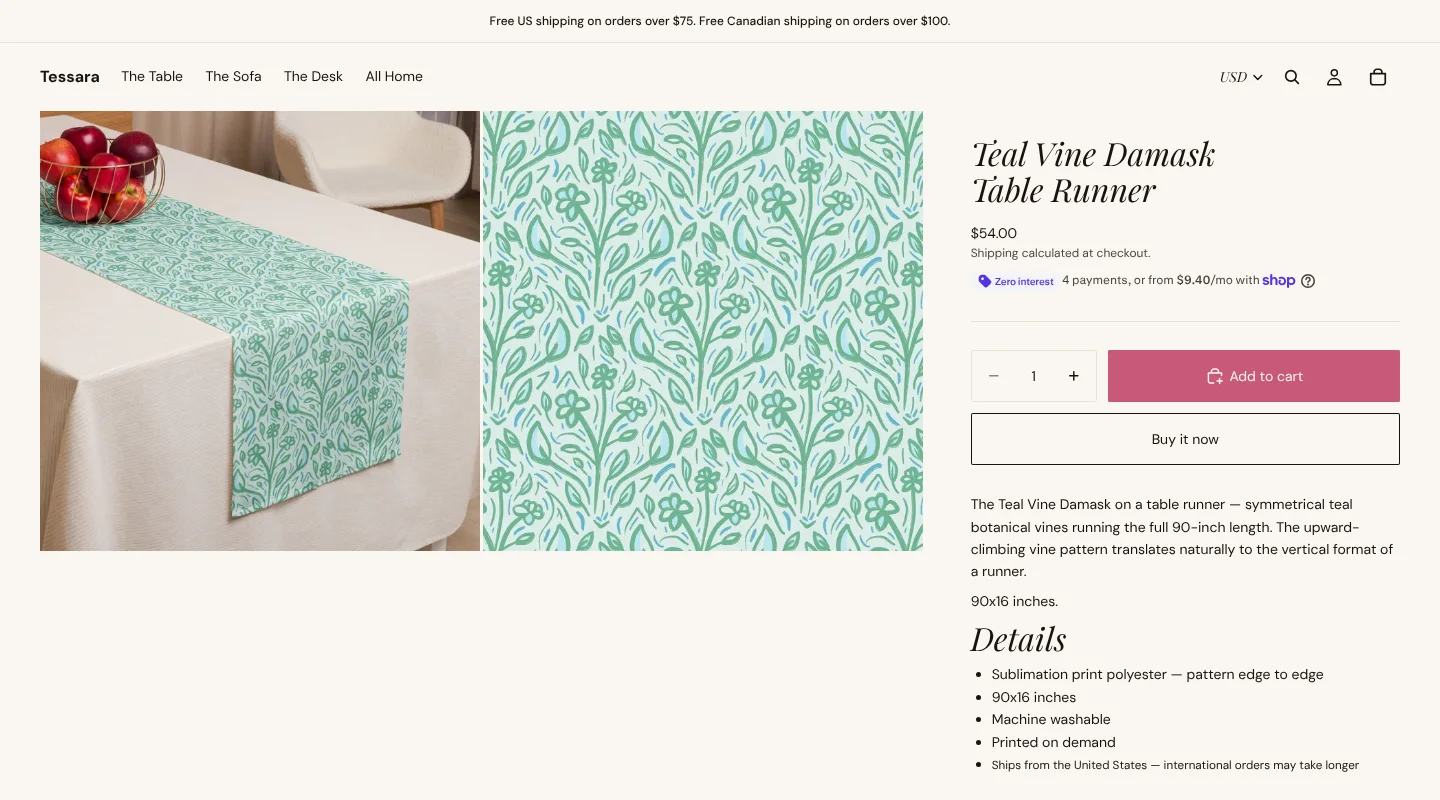
The homepage is a "pattern wall": a mosaic of pattern tiles with the headline set into the grid, which leads with the tessellation idea behind the name. From there you shop by room.
The lesson I learned too late
I built out multiple product collections before I tested the actual product, and when I finally held it, the quality wasn't up to my standard. I'd automated and scaled a pipeline before confirming the first piece coming out of it was something I'd be proud to sell.
The lesson: test the smallest piece first, before you invest the time to build the machine around it. It's the same "fail fast" rule I apply to product work, learned the expensive way on my own project.
What happened next
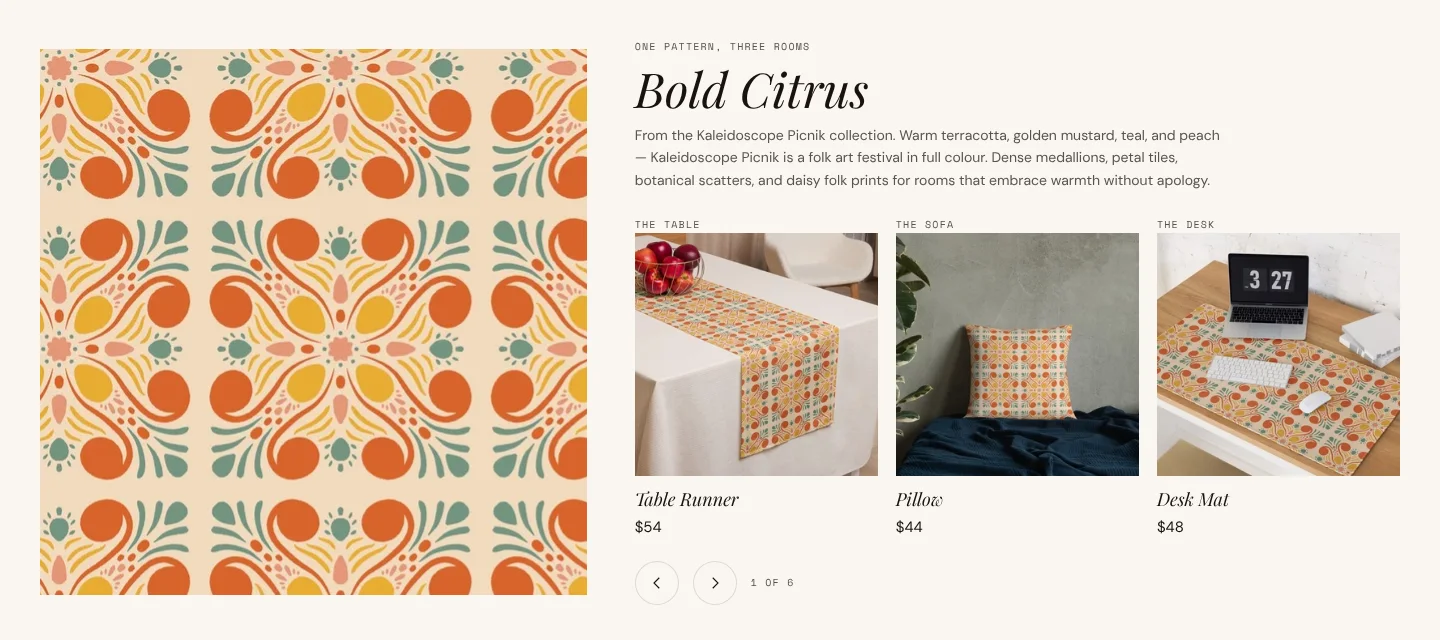
In November 2026 I narrowed Tessara to home decor: placemats, table runners, desk mats and pillows. The idea is "three rooms, one pattern": the same pattern on the table, the sofa and the desk, so you buy a coordinated set and not a single item. The line on everything is "Drawn by hand, printed to order."
The pipeline also became the starting point for Repeat Studio, a tool that packages the same workflow for other independent pattern designers.